





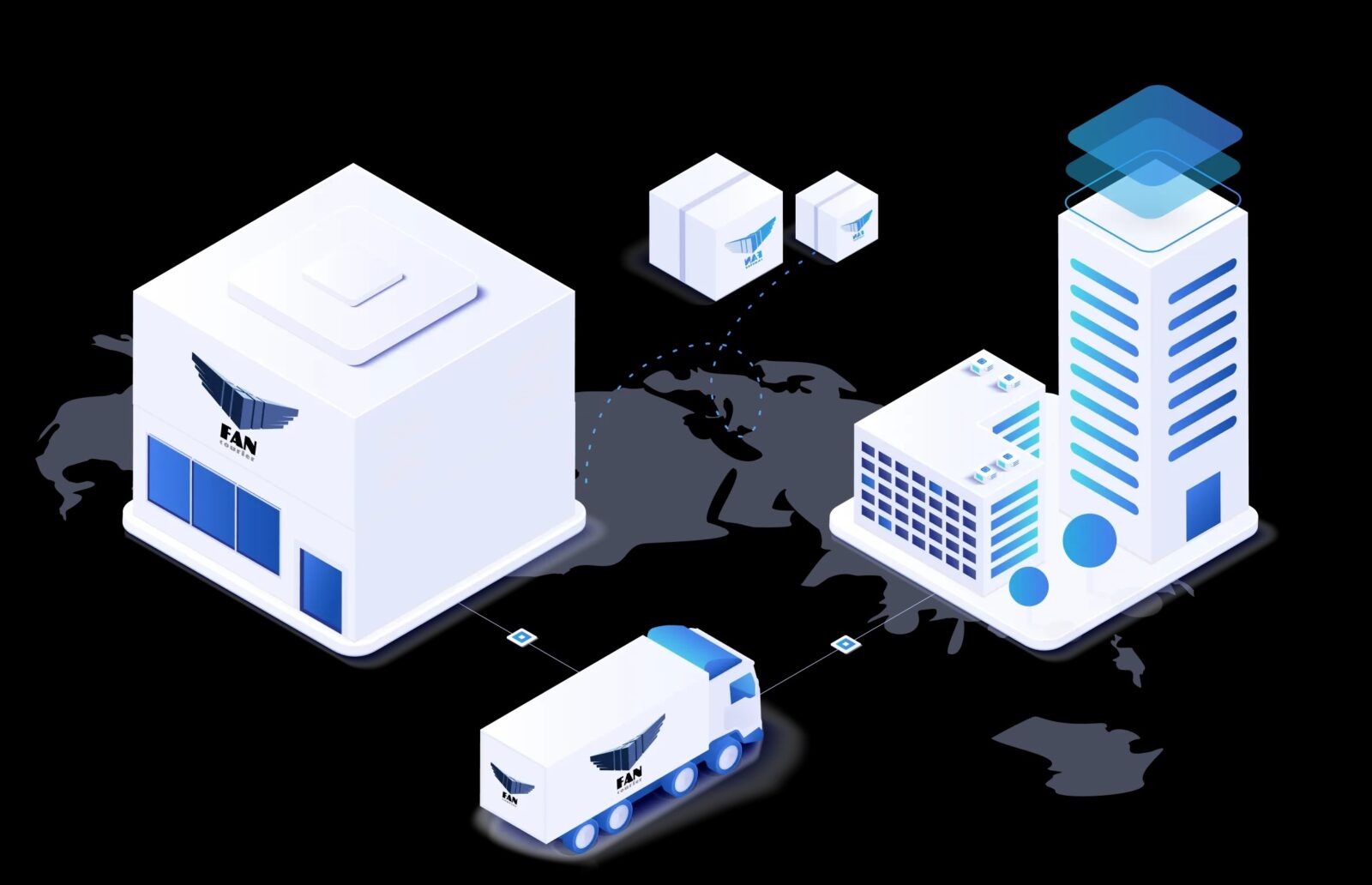
Why the classic courier model disappears and how the customer experience is transforming.
As of April 10, FAN Courier has closed all agencies in the country — a decision that, at first glance, may seem radical. In reality, it is one of the clearest confirmations of an already visible change: the classic courier, based on physical interaction, is giving way to a digital, flexible and autonomy-oriented model.
From the counter to the locker: the paradigm shift
FAN Courier’s decision is not one of crisis, but of adaptation. The process began as early as 2025, when the company announced the restructuring of the network of fixed points, gradually reducing the importance of traditional agencies in favor of modern solutions.
Today, this transformation is becoming complete: customers can no longer send or pick up parcels from traditional offices, and the interaction moves to the network of lockers and collection points.
What’s changing for customers
For regular users, the experience becomes more flexible, but also more dependent on technology:
- 24/7 pick-up and drop-off via the FANbox locker network
- Access to Collect Points (e.g. PayPoints)
- Limited hours in some former receptions (09:00–11:00 in specific cases)
This transition reflects an already consolidated behavior: customers prefer quick solutions, without interaction and without schedule constraints.
Impact on online stores
For e-commerce, the change is more complex.
If until now the shipment of parcels involved a visit to the agency — weighing, filling in the AWB — now the process moves completely to the digital area:
- Online AWB generation
- Delivery of parcels to lockers
- or scheduling a courier for pick-up
This transformation forces merchants to optimize their logistics flows, but also gives them more control and efficiency.
The real reason: consumer behavior
“The decision to close the physical offices was not taken for financial reasons, but because of the change in the behavior of customers who prefer the flexibility offered by locker networks,” explains Adriana Manu, marketing and communication director of FAN Courier.
It also emphasizes that all employees will be retained and relocated to other operational areas — an important detail in a context where automation is often associated with staff reductions.
New infrastructure: networks, not offices
FAN Courier’s strategy is clear:
- over 3,000 FANbox units
- Expanding Collect Point partnerships
- optimizing deliveries through hubs and micro-warehouses
The operating model is thus moving from a network of fixed sites to a distributed infrastructure network, adapted to fast deliveries and high volumes.
The decision of FAN Courier is not an isolated case, but a signal about the direction of the entire industry:
- Digitalization becomes standard, not competitive advantage
- “Last mile delivery” is redefined around customer autonomy
- Physical infrastructure is transforming into smart grids
Essentially, one type of comfort disappears — that of direct interaction — and another appears: the freedom to send or pick up a parcel at any time, without an appointment.
For the industry, it’s a strategic move. For consumers, it’s already a new habit. And for the future of logistics, it’s another step towards a fully digitized ecosystem.












Leave a comment