





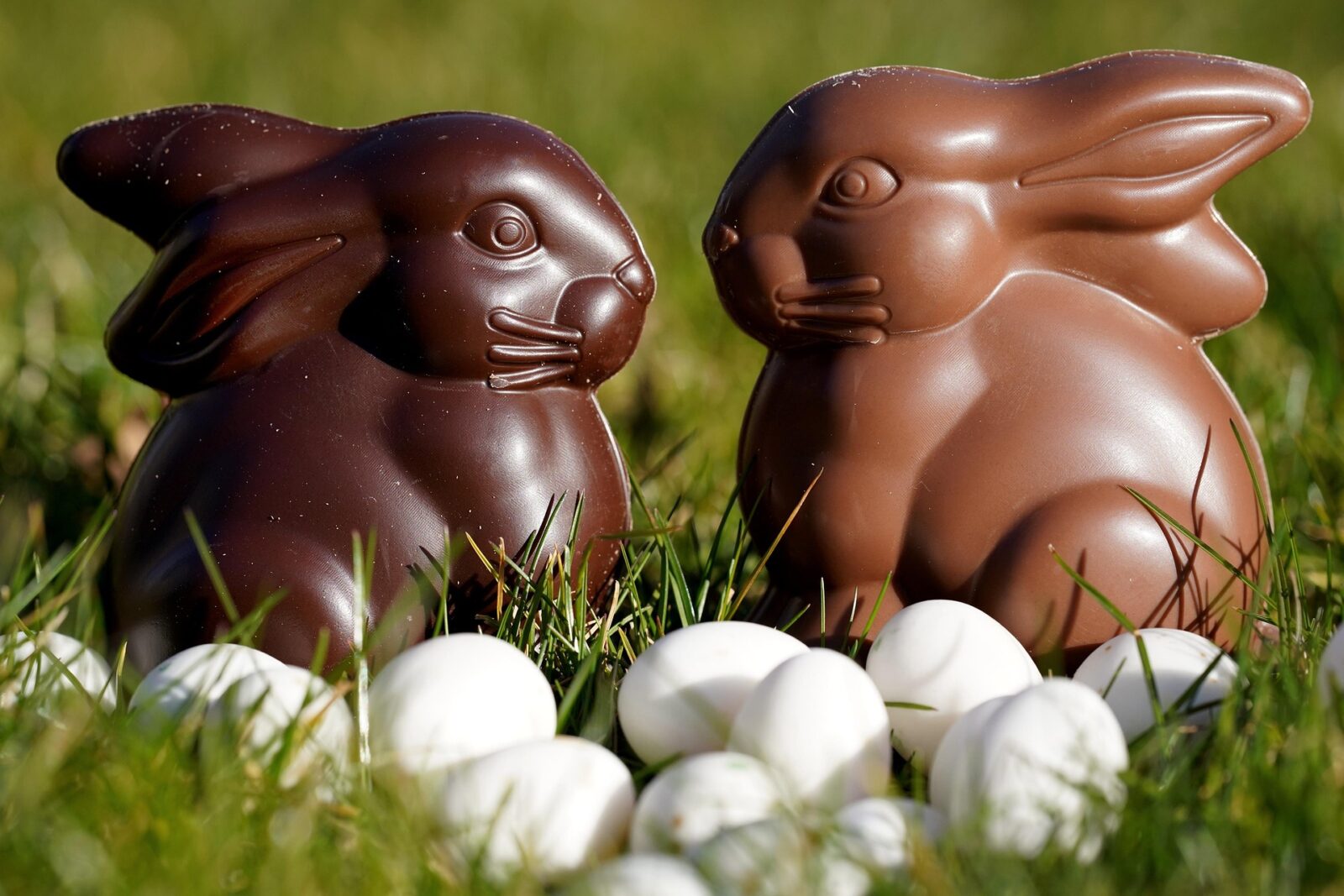
Beyond the festive showcases, Germany and Belgium define a complex ecosystem where tradition, industry and taste meet.
Every spring, chocolate becomes more than a dessert — it becomes a symbol. And behind Easter eggs, fine pralines and refined tablets lies a global industry in which Europe plays a central role. Beyond the romance associated with chocolate, the reality is a precisely constructed one: a sophisticated economic system, in which a few European countries dictate the pace.
Europe, the center of gravity of chocolate
Europe is not only a major consumer of chocolate, but also one of the main architects of the global industry. With an estimated value of around $52 billion, the European market continues to grow, supported by seasonal demand and the trend of “premiumization” — that migration to more refined, more carefully crafted products.
At the same time, the continent is the largest importer of cocoa beans and semi-finished products, consolidating its position as an essential node between production and consumption areas.
Germany and Belgium: two styles, a global influence
In this landscape, two countries are clearly distinguished: Germany and Belgium.
Germany is the industrial force — the volume leader and the main supplier to the European market, with sales of more than €9 billion. It is the engine that ensures accessibility and widespread distribution.
Belgium, on the other hand, remains synonymous with sophistication. Its tradition, built over the centuries, has transformed chocolate into an art form, from pralines to artisanal creations that define quality standards.
Together, these two models — industrial and artisanal — create the balance that sustains the entire industry.
Easter chocolate: between tradition and global pressures
Beyond commercial success, the industry faces real challenges. Rising cocoa prices, driven by climatic conditions in West Africa — responsible for most of global production — are affecting the entire supply chain.
At the same time, demand remains constant, especially during festive periods such as Easter, which creates a tension between costs and consumer expectations.
Premiumization: the new language of sweet luxury
One of the most visible trends is the orientation towards premium products. It’s no longer just about quantity, it’s about experience: the origin of the beans, the production process, the design, and even the story behind each product.
This evolution brings chocolate closer to the world of wine or fine drinks — where terroir, technique and identity become essential.
A balance between industry and excitement
Chocolate remains, in essence, an emotional product. But behind this emotion lies a complex mechanism, in which logistics, the economy and the climate play decisive roles.
Europe manages, for the time being, to maintain this balance: between tradition and innovation, between industry and art.











Leave a comment