





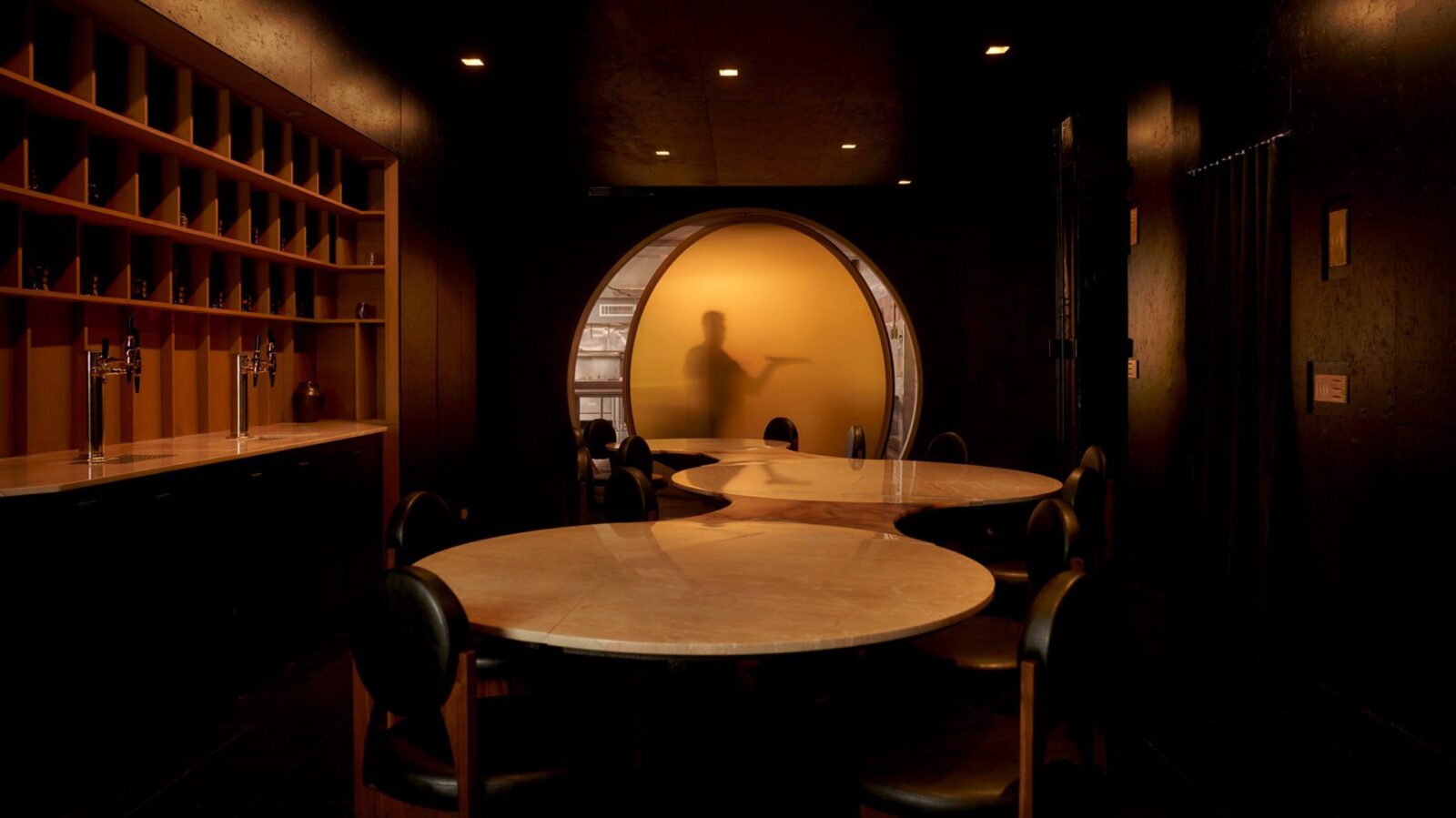
Gourmega, New York, a “zero-waste” space where architecture, history and gastronomy meet.
In a Manhattan dominated by spectacular concepts and competitive fine dining, Gourmega proposes another form of luxury: one built on sustainability, cultural memory and community. Designed by Mariam Issoufou Architects, the restaurant is not just a dining space, but an architectural manifesto of what the future of urban gastronomy can look like.
A place with memory: from “Land of the Blacks” to Gourmega
Located in a 19th-century building in the South Village, Gourmega builds its identity from the history of the place.
In the eighteenth century, the area was known as the “Land of the Blacks”, where there were farms owned by African Americans, and later it was home to some of the first social spaces dedicated to the black community, explains architect Mariam Issoufou, emphasizing the direct link between the past and the current concept.
The restaurant’s walls are designed as exhibition spaces for local African-American artists, and elements such as bronze panels signed by Nigerian designer Nifemi Marcus-Bello add an extra cultural layer.
A design that tells a story
The interior is dominated by dark tones and layered textures: black walls treated with lime, dark cork flooring and walnut wood furniture. This aesthetic is not just a visual choice, but an interpretation of history and the idea of resilience.
“Referring to this history, the wall of the interior façade anchors the room with a layered depth and dark textural contrast,” says Issoufou — a reference to how historical communities built with limited resources but dignity.
A living space, between stage and kitchen
A central element of the concept is the circular translucent yellow glass door that separates the dining room from the kitchen. It functions as a performative element, projecting the silhouettes of the chefs and transforming the preparation of food into a discreet performance.
“This threshold functions both as a spatial divider and as a performative element, creating silhouettes that animate the room and blur the boundary between preparation and experience,” explains Issoufou.
Dining as a collective experience
At the center of the space is a modular circular table, made of alabaster and travertine, which can be divided into seven smaller tables. The concept is simple but profound: eliminating the hierarchy typical of rectangular tables and encouraging a shared experience.
“The personalized table in the center of the Gourmega restaurant is meant to disrupt the often hierarchical logic of the seating within its long rectangular counterpart, which carries built-in signals of importance based on how close each one is to the head of the table or the center,” Issoufou said.
“We wanted customers to feel comfortable no matter where they’re sitting and feel a real sense of sharing a meaningful experience with each other.”
Zero-waste and real social impact
Gourmega is not only a design exercise, but also a project with a social impact.
Made in partnership with the organization Rethink Food, the restaurant contributes to the financing of a network for the distribution of free meals in New York.
The space works dual:
- Day Café
- Supper Club Evening
This flexibility supports both the economic model and integration into the community.
The New Luxury: Meaning, Not Excess
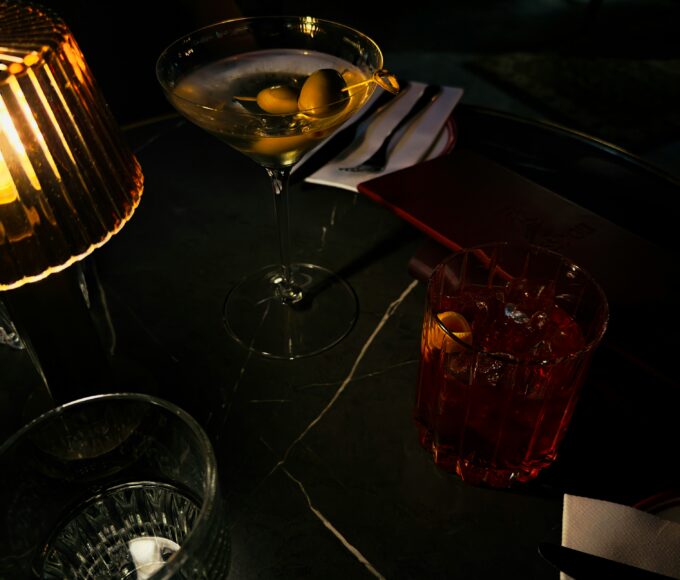
Gourmega redefines the idea of a premium restaurant. Not through opulence, but through intention. Not by excess, but by balance. It is a space where design, gastronomy and social responsibility work together, demonstrating that the future of fine dining is not only about what is on the plate or in the glass, but also about the context in which it is served. A place where the experience begins before the first sip — and continues beyond it









Leave a comment